

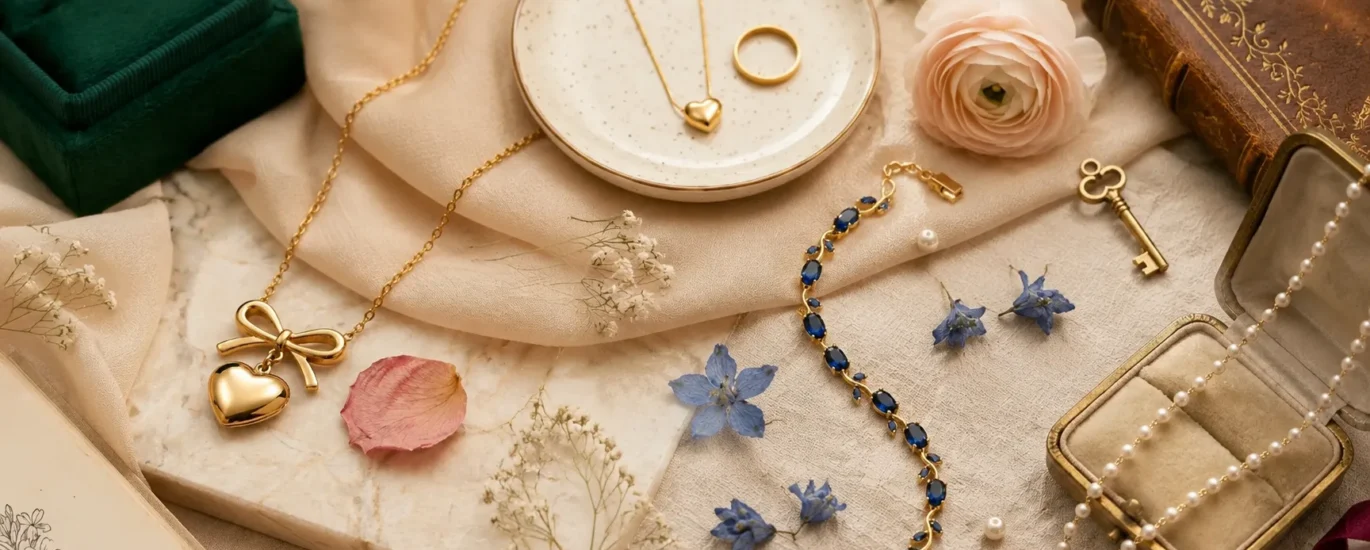
Jewellery is more than just an accessory it’s a reflection of personal style, memories, and special moments. However, one common issue that jewellery owners face is tarnishing. Over time, even beautiful pieces can lose their shine and develop a dull appearance. Fortunately, modern anti-tarnish jewellery and proper maintenance techniques can help keep your favorite pieces looking new for years.
In this comprehensive guide, we’ll explore what tarnish is, why it happens, how to prevent it, and why anti-tarnish jewellery has become increasingly popular among fashion-conscious consumers.
What is Tarnish?
Tarnish is a natural chemical reaction that occurs when certain metals come into contact with moisture, oxygen, sulfur compounds, or other environmental elements. This reaction creates a thin layer of corrosion on the metal’s surface, causing jewellery to appear dull, discolored, or darkened.
Unlike rust, which can permanently damage metals like iron, tarnish primarily affects the surface and can often be removed with proper cleaning and care. However, frequent tarnishing can reduce the aesthetic appeal of your jewellery and require regular maintenance.
Why Does Jewellery Tarnish?
Several factors contribute to jewellery tarnishing:
Exposure to Air and Moisture
Oxygen and humidity are among the leading causes of tarnish. Continuous exposure to air can trigger oxidation, especially in metals like silver and copper.
Contact with Chemicals
Everyday products such as perfumes, lotions, hairsprays, soaps, and cleaning agents contain chemicals that can react with metal surfaces and accelerate tarnishing.
Body Chemistry
The natural oils and sweat produced by your skin can affect how quickly jewellery tarnishes. Some people may notice tarnish forming faster due to their individual body chemistry.
Environmental Factors
Pollution, humidity, and sulfur-containing compounds in the environment can speed up the tarnishing process, particularly in urban and coastal regions.
Improper Storage
Leaving jewellery exposed to open air, sunlight, or damp environments can significantly increase the chances of tarnish developing.
Types of Metals and Their Susceptibility to Tarnish
Different metals react differently to environmental conditions.
Sterling Silver
Sterling silver is highly prone to tarnishing due to its copper content. While beautiful and durable, it requires regular care to maintain its shine.
Copper
Copper tarnishes quickly and often develops a greenish patina over time when exposed to moisture and air.
Brass
Brass can tarnish and darken with age, especially if frequently exposed to sweat or humidity.
Gold-Plated Jewellery
Gold plating provides protection, but once the plating wears down, the base metal underneath may begin to tarnish.
Stainless Steel
Stainless steel is highly resistant to tarnish and corrosion, making it a popular choice for durable jewellery.
Anti-Tarnish Coated Jewellery
These pieces are specially treated with protective coatings that minimize oxidation and help preserve their original appearance for extended periods.
How to Prevent Jewellery Tarnish
Preventing tarnish is easier than removing it. Here are some effective strategies:
- Store jewellery in airtight containers or zip-lock bags.
- Keep pieces away from direct sunlight and moisture.
- Remove jewellery before swimming, showering, or exercising.
- Apply perfumes, lotions, and cosmetics before wearing jewellery.
- Clean jewellery regularly with a soft microfiber cloth.
- Use anti-tarnish strips or pouches for additional protection.
- Invest in high-quality anti-tarnish jewellery designed for long-term wear.
Consistent care can significantly extend the lifespan and beauty of your jewellery collection.
Common Myths about Tarnish and Jewellery Care
Myth 1: Expensive Jewellery Never Tarnishes
Reality: Even high-end jewellery can tarnish depending on its metal composition and exposure to environmental factors.
Myth 2: Tarnish Means Jewellery is Fake
Reality: Tarnish is a natural chemical reaction and can occur even in genuine sterling silver and other authentic metals.
Myth 3: Water Alone Cleans Tarnish
Reality: Water may remove surface dirt but typically cannot eliminate tarnish effectively.
Myth 4: Anti-Tarnish Jewellery Never Needs Care
Reality: Although anti-tarnish jewellery requires less maintenance, proper storage and occasional cleaning still help maximize its lifespan.
Myth 5: Tarnish Permanently Damages Jewellery
Reality: In most cases, tarnish affects only the surface and can be removed through proper cleaning and maintenance.
Conclusion
Tarnishing is a common challenge for jewellery owners, but it doesn’t have to diminish the beauty of your favorite accessories. Understanding what causes tarnish, adopting proper care habits, and choosing high-quality anti-tarnish jewellery can significantly extend the life and appearance of your collection.
Whether you’re building a new jewellery wardrobe or maintaining treasured pieces, investing in anti-tarnish jewellery is a smart decision that combines style, convenience, and durability. By selecting well-crafted pieces and following simple maintenance practices, you can enjoy brilliant, long-lasting shine every day.
For premium anti-tarnish jewellery that combines elegance, quality, and everyday wearability, explore the latest collections at Zohaa and discover jewellery designed to stay beautiful for years to come.